Home
Home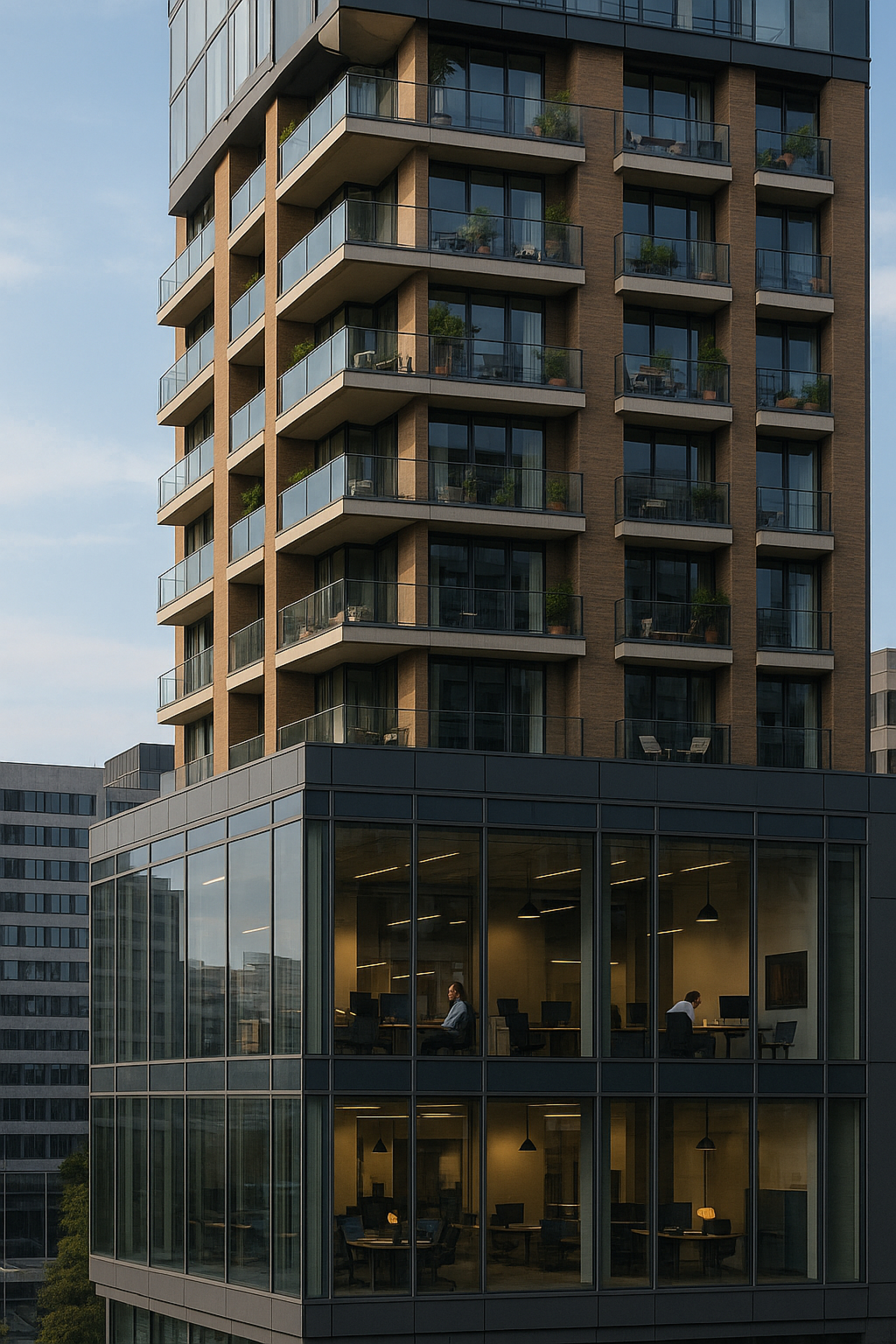
Cities around the world have long struggled with the same problem – limited space and the ever-increasing demand for housing and jobs. In recent years, this problem has begun to receive a new and rather curious solution: combined residential-commercial buildings, in which work and home literally coexist in the same complex. The idea that you can take the elevator down from your apartment and end up in the office sounds like something from the future, but in fact it is already a reality in many cities, including in Bulgaria.
The question is why companies are increasingly investing in such spaces. At first glance, the answer seems obvious – practicality. But beneath the surface lie profound economic, social and cultural changes that are reshaping the real estate market.
The workplace has undergone a huge transformation since the pandemic. The hybrid work model has changed the way people perceive the office – it is no longer just a place to work, but also a social environment, a place to meet and exchange ideas. This in turn has led to a new type of demands from employees and employers.
Co-working spaces offer just that: flexibility. A company can have an office in the central part of the building, and apartments on several floors above it that are rented out to employees or external clients. This creates a closed ecosystem in which work and personal life are intertwined in a convenient and logical way.
For investors, such buildings have another key advantage – lower risk. In classic office buildings or malls, the problem is that when the economy slows down, vacant space becomes a burden. In mixed-use complexes, the situation is different. Even if office space becomes vacant, residential units remain in demand. This balances the risk and makes the investment safer.
In addition, more and more companies are looking for ways to reduce their logistics and infrastructure costs. When employees live in close proximity to the office, the need for transportation allowances, parking spaces, and even large kitchen areas is reduced. All of this has a positive impact on the company's budget.
One of the most interesting aspects of this model is that it changes the way communities are created. Living above the office is not just a convenience, but also a way for people to build more lasting connections with each other. When your colleague is also a neighbor, communication becomes more natural, and joint projects are born even outside of standard working hours.
Of course, this can also create tension – not everyone wants to meet their manager at the entrance to the building after work. But for many, such an environment brings a sense of belonging and security that traditional office buildings rarely provide.
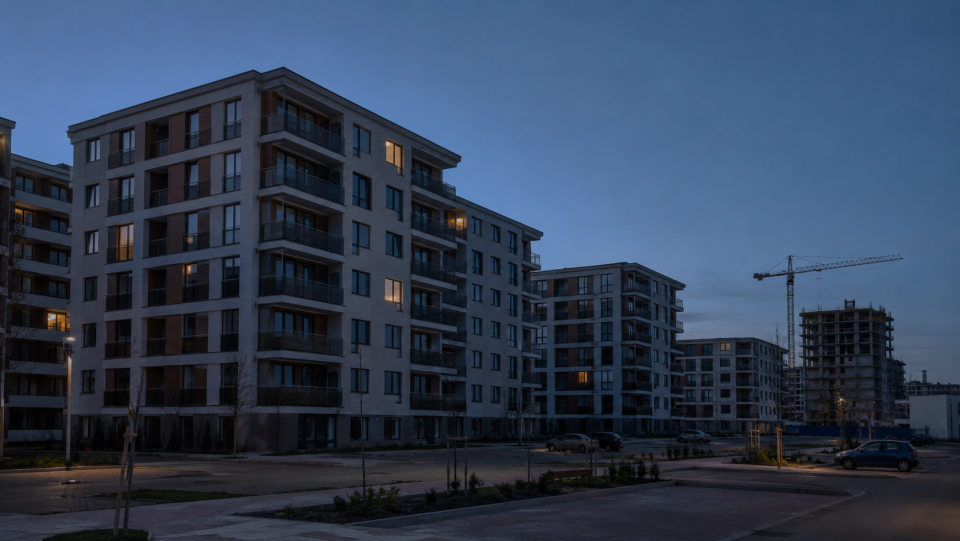
These buildings are not just classic blocks with added offices. The architectural solutions are often impressive – green roofs, common areas for sports and recreation, co-working corners, cafes and restaurants within the complex itself. The idea is to build a small city within the city, where one can work, live and spend their free time without having to leave the neighborhood.
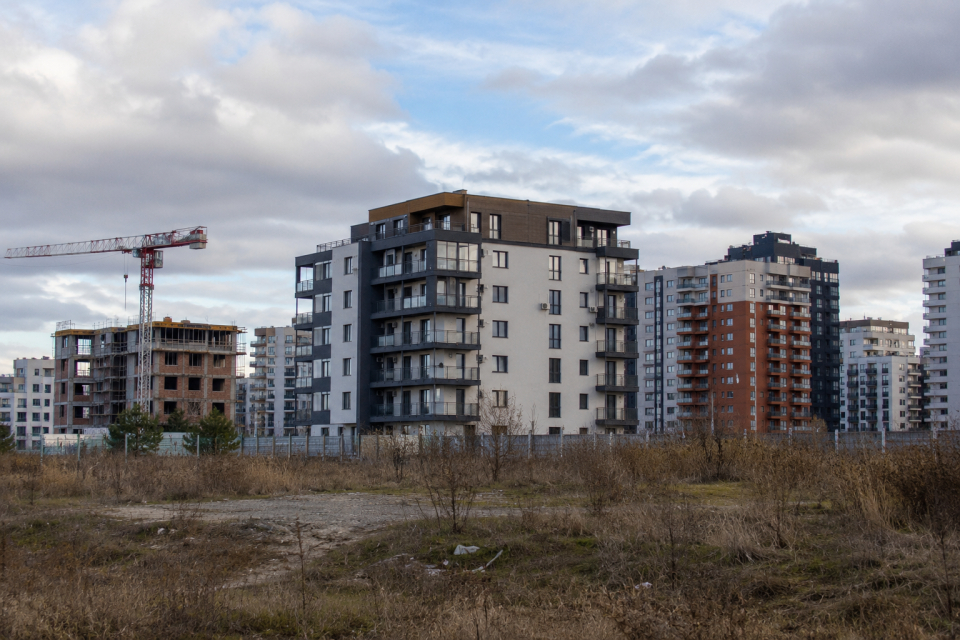
Similar projects are already appearing in Sofia, and the interest in them is visible. It's not just about expensive and luxurious complexes, but also solutions oriented towards the middle class - people looking for a balance between convenience and affordability.
Mixed-use residential and commercial complexes have long been a common practice around the world. In megacities like New York, London, and Tokyo, such spaces are perceived as a normal part of the urban environment. But when it comes to Bulgaria, it's interesting that this model is starting to take hold precisely now, when the technology sector and services are playing an increasingly important role in the economy.
Companies in the IT and outsourcing industries often turn to such solutions because their employees are young, mobile, and value convenience. For them, the ability to combine work and personal life in one place is more important than the classic notions of "a large office in the city center."
Looking ahead, this model could completely change the way cities function. Whereas a decade ago, residential neighborhoods were separated from business areas, now the opposite is happening – they are merging. This is also a response to the growing problems of traffic and air pollution.
Less commuting means fewer cars on the road and more time for family. In theory, this could lead to healthier lifestyles and a more sustainable urban environment.
Of course, living above the office isn't a one-size-fits-all solution. For some people, the lack of a clear boundary between work and personal life can be a problem. The idea that you're always "available" because the office is literally below you can increase stress.
On the other hand, architects and investors must be careful that these complexes do not become isolated "islands" in the urban environment, where life takes place within a few square kilometers. Otherwise, the sense of diversity and dynamism that makes big cities attractive is lost.
Mixed-use residential and commercial buildings are more than a fad. They are a response to the profound social and economic changes that are shaping the way we live and work. Convenience, security, and economic logic make this model increasingly attractive to both companies and ordinary people.
If until recently the idea of living above the office sounded like a compromise, today it is perceived as an opportunity for a better balance. Perhaps these buildings will prove to be one of the most important solutions for the future of cities - places where work and home finally find harmony under one roof.

Register for free to be the first to hear the news on imi.bg